Experience · 2012 → Today
A decade of experience.
From a first-place capstone to a province-wide engineering command, traced station by station, with the projects and numbers that mark each one.
2012 – MAY 2017 · CALGARY, AB
BSc Civil Engineering
University of Calgary · Minor, Structural
Structural minor, and a capstone that hinted at what came next: a first-place proposal for net-zero-emission project execution.
As fundraising lead for the team's run at the CSCE national bridge-building competition in Montréal, I cold-called bars and pubs across Calgary to organize a bottle drive pick-up, clearing $6,000 to cover travel and materials.
1st
Capstone Award · Net-Zero Execution
$6K
Raised for CSCE bridge comp. · Montréal
Alongside the degree · 1 internship
Engineering Intern
May 2015 – Jun 2016
Beck Engineering
Completed structural designs for clients under strict time and budget constraints, and built a personal system for running many small-to-medium projects at once, efficiently and consistently. Coordinated with contractors, vendors, and subcontractors to answer RFIs promptly without losing the details.
AutoCAD S-FRAME NBC Steel Handbook
MAY 2017 – FEB 2020 · WESTERN CANADA
Engineer in Training
Canadian Pacific Railway
Three years in the field across BC, Alberta and Saskatchewan. I led projects over protected waterways and along the coast, within environmental, archaeological and land-access commitments to First Nations and landowners. I ran frontline supervision on the prairies, and challenged a long-standing company standard until a better one was adopted (the handrail story →).
I learn fast. Within eight months of starting I had qualified as a conductor and a bridge inspector, and I was owning projects end to end and supporting the Director of Track on decisions across the territory. I've never been afraid to build the data and the business case to challenge a legacy method when a better one exists and the return is there.
$120M+
Capital programs delivered
10%+
Cost performance improved
Featured projects · 4 case studies
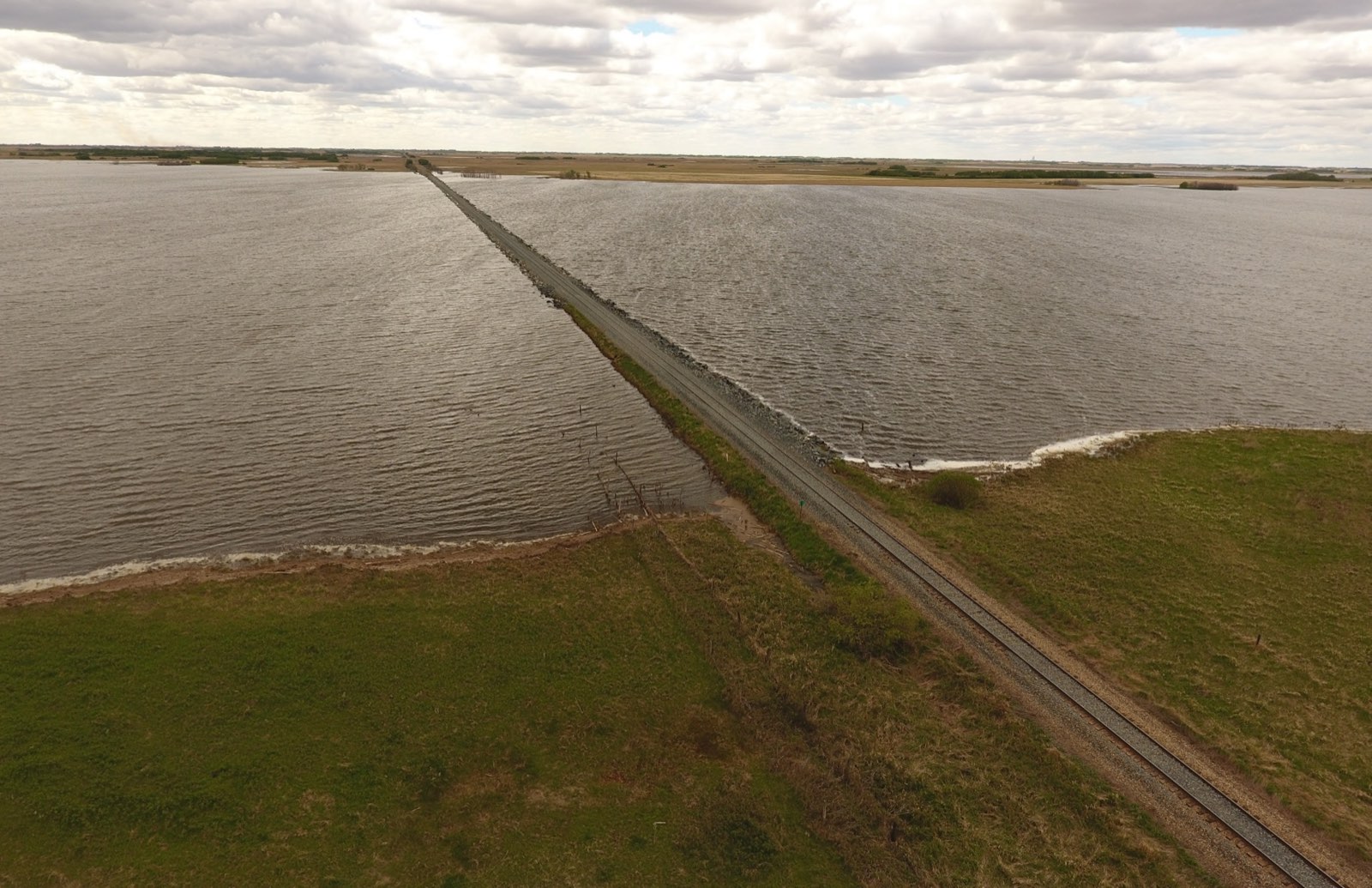
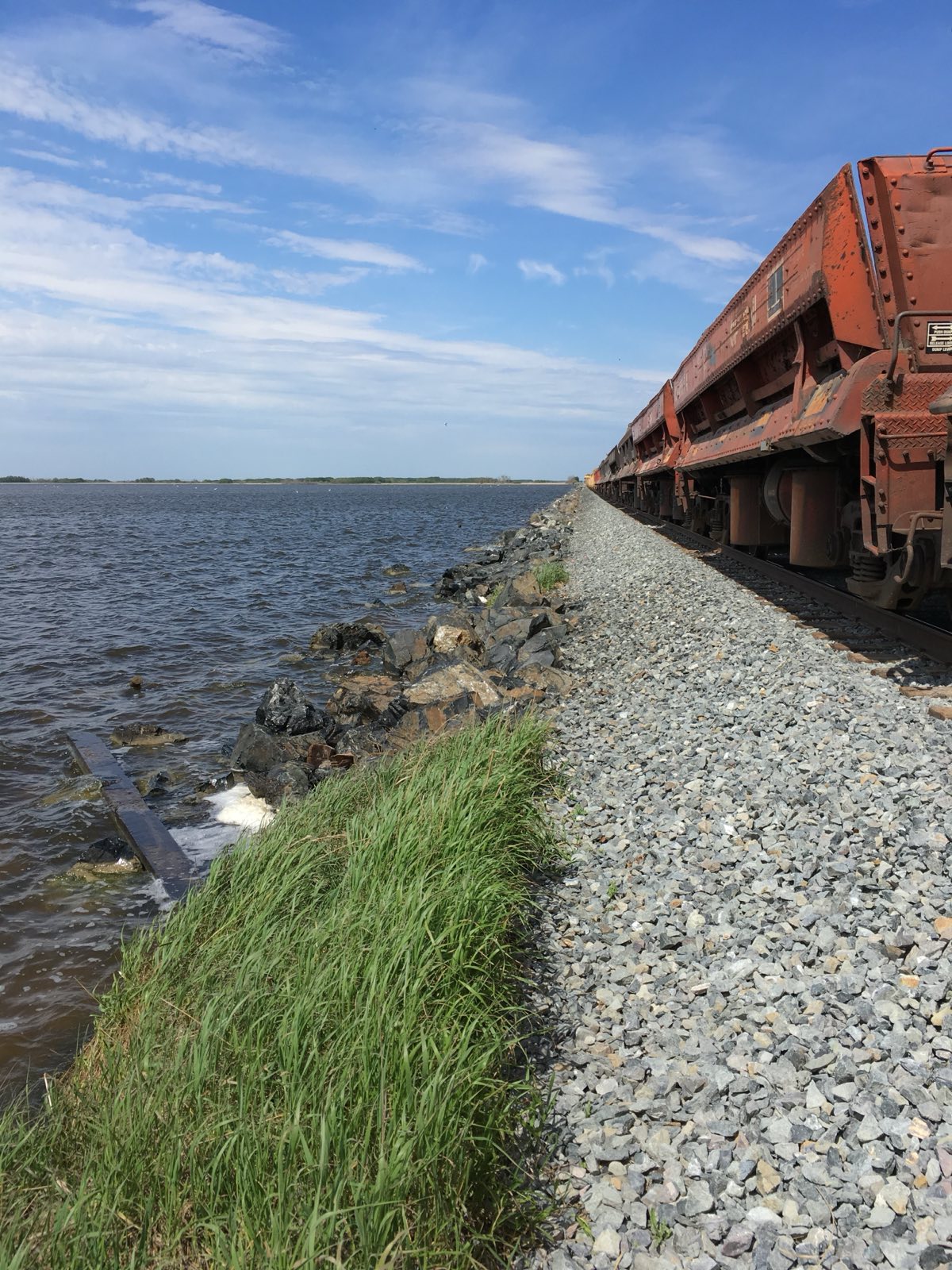
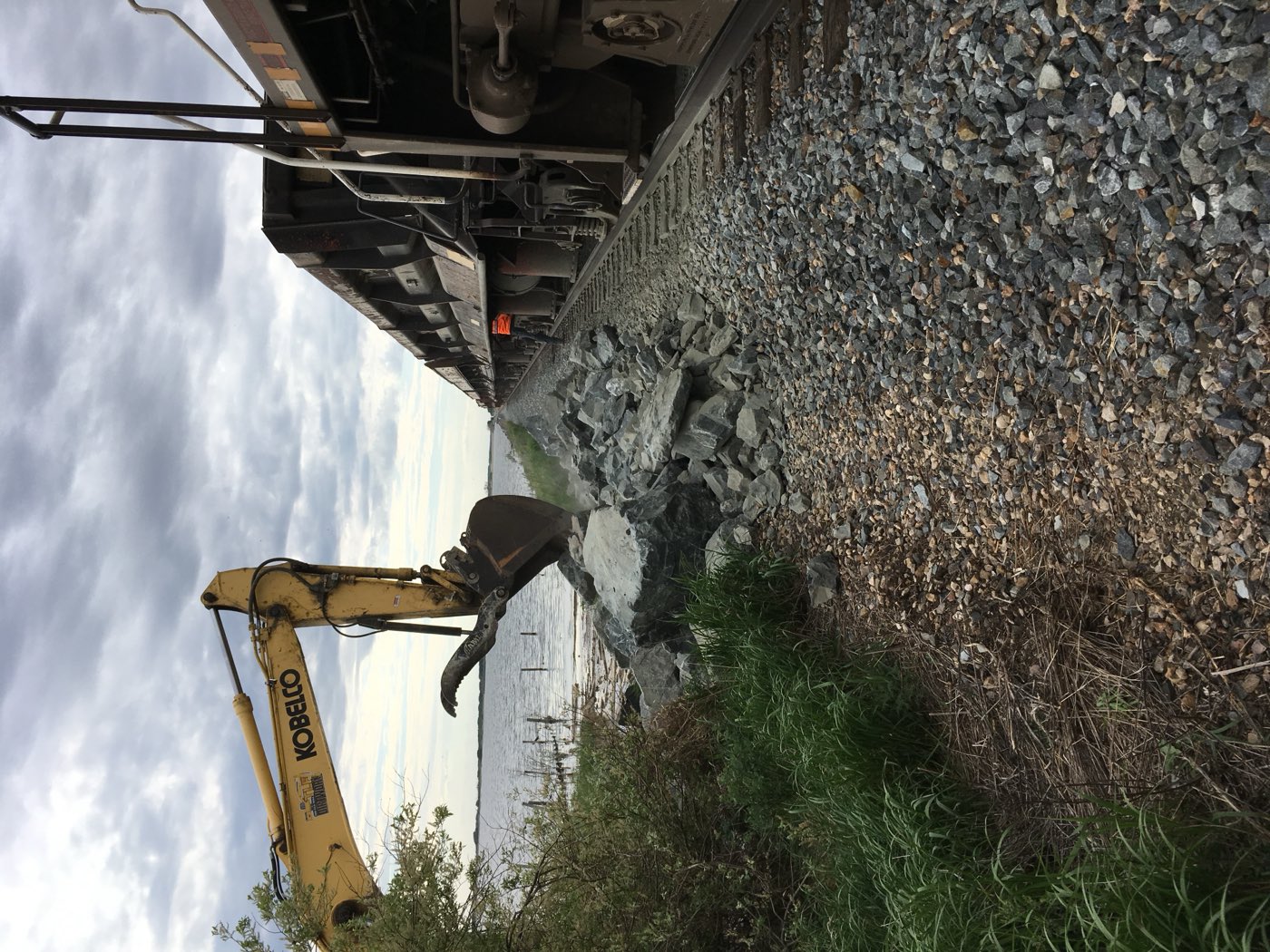
Field artifact · Quill Lake, SK
King Causeway · Quill Lake Track Raise
2017–2019 · $5M A rising lake was reaching the Sutherland Sub main line. The twin box culverts under the track were already submerged. I scoped and ran a two-year program to raise the line ahead of the water, engineered around the railroad's own strengths.
Outcome · Main line protected; a rail-based mobilization method and reduced standby terms I devised became reusable company assets.
Case study →
Quill Lake had spent years swallowing grid roads and creeping toward the rail lines of east-central Saskatchewan, and by 2017 it was reaching for the Sutherland Sub main line. The water had risen so far that the twin concrete box culverts under the track had to be inspected by underwater sonar. The structures carrying the line were already submerged. Standing still wasn't an option.
I scoped and ran the two-year, $5M response, and planned it to play to the railroad's advantages rather than fight them: materials the railroad sources cheaply, and delivery and construction methods built around rail.
Where it really paid off was the contracting. I drafted the contractor-equipment agreements to secure a reduced rate on standby time, and solved the hardest logistics problem (moving heavy machines on and off an isolated causeway) by procuring a flatbed railcar. That let the contractor mobilize in and out between the railroad's material deliveries (roughly every six weeks) instead of sitting idle on the clock. Over the long run it became a company asset: a rail-mounted way to shuttle equipment to site that helped on later projects too.
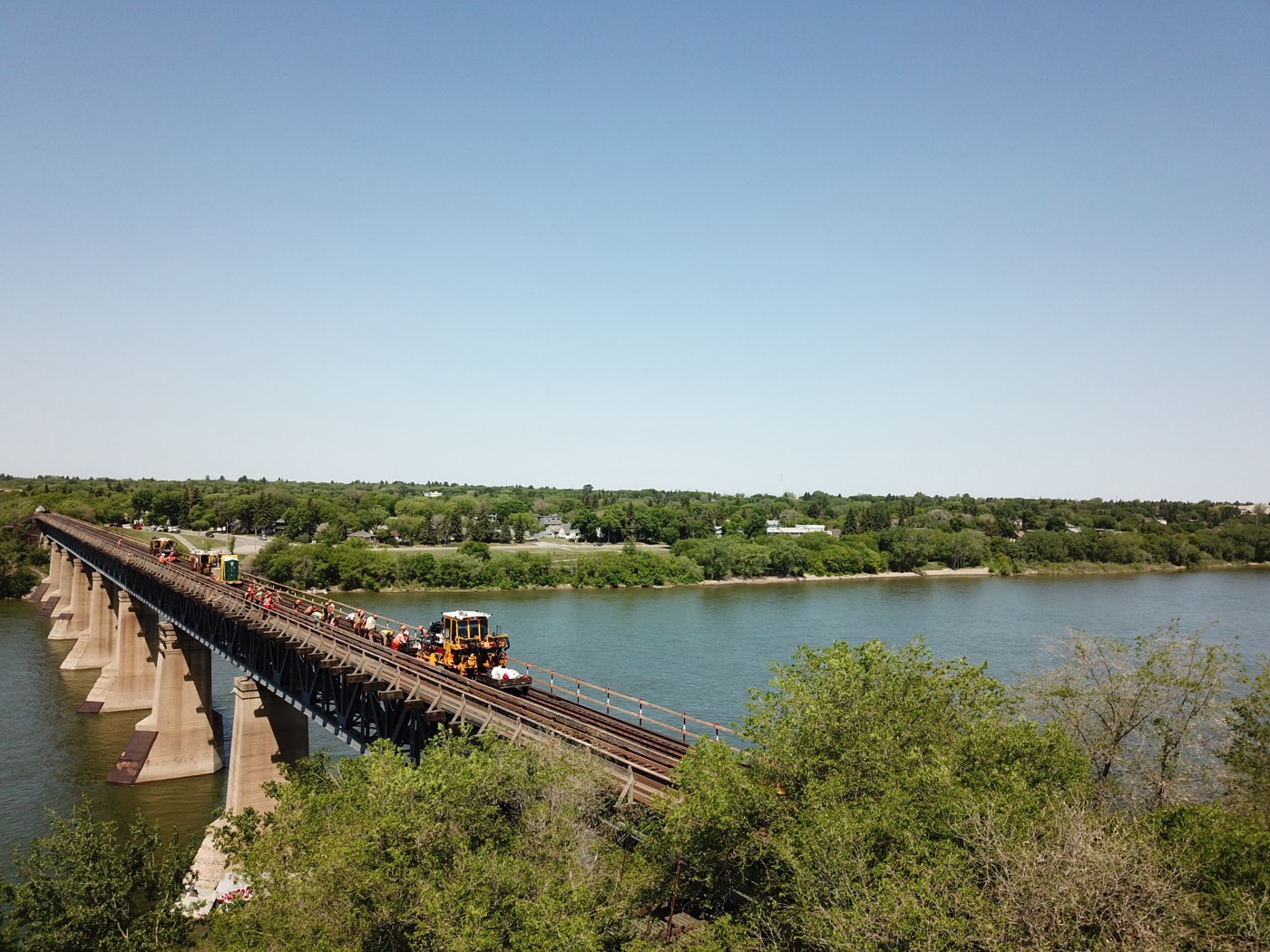
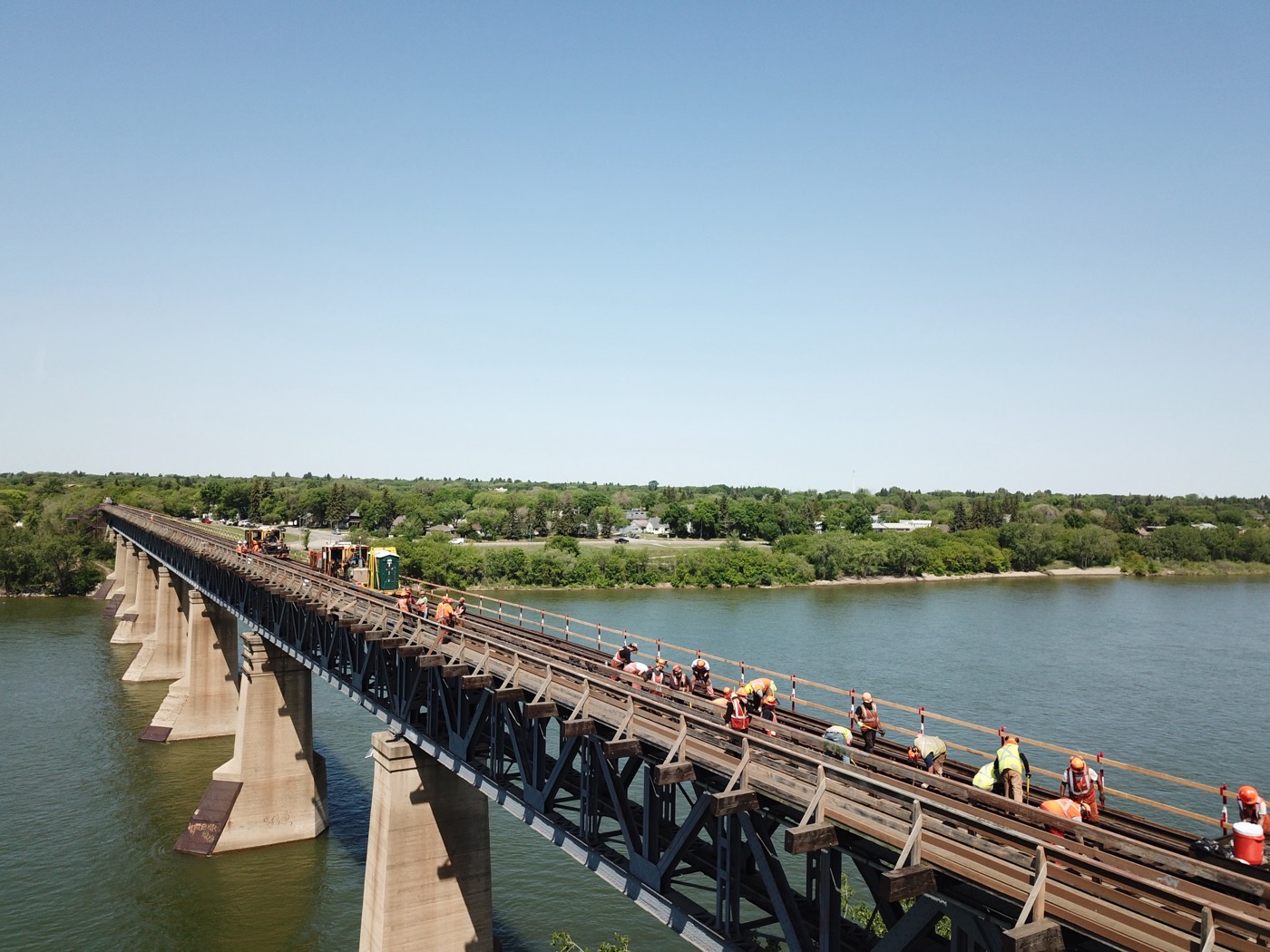
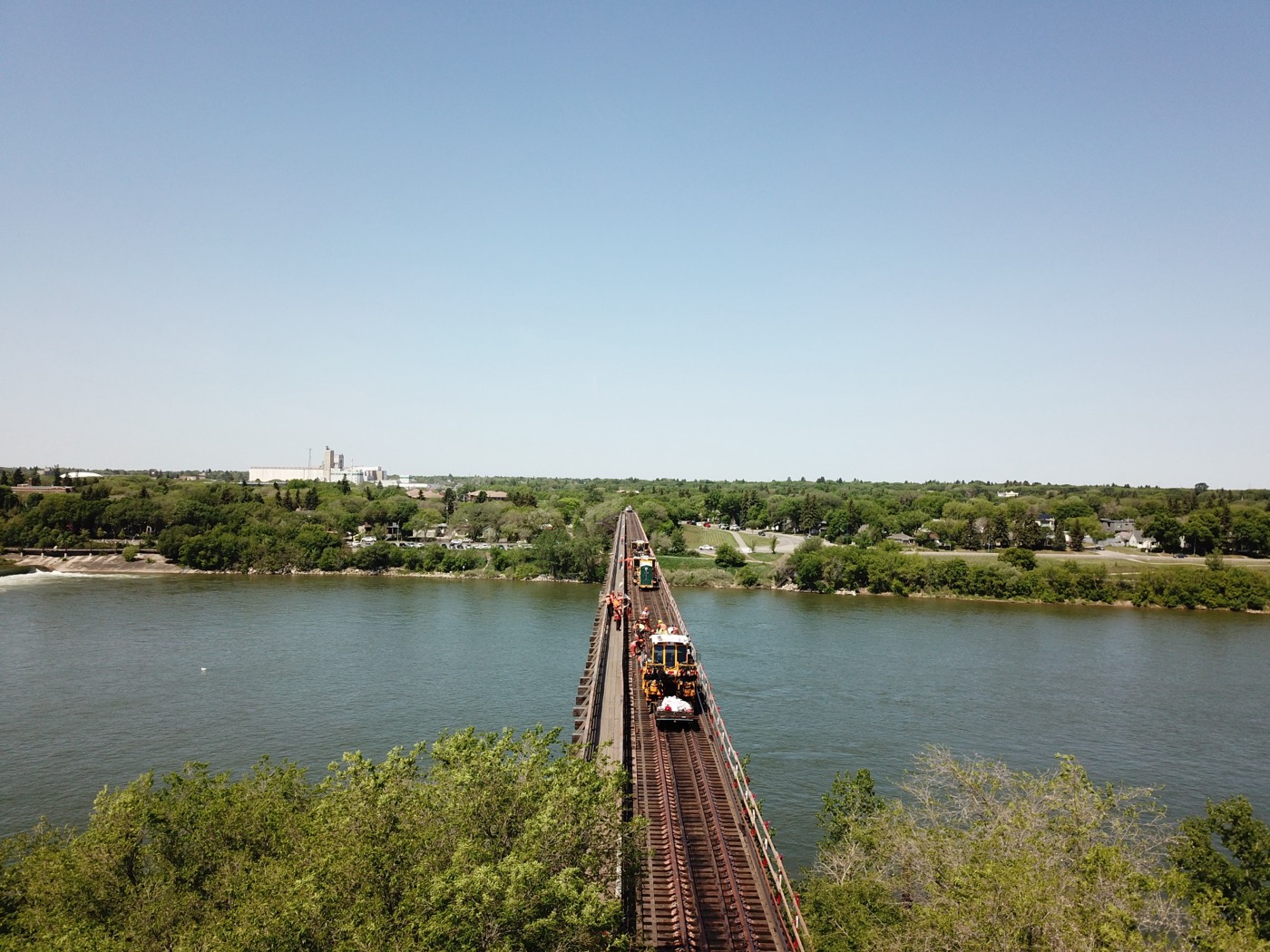
Field artifact · Saskatoon, SK
S. Saskatchewan River Bridge Rail Renewal
2018 · 345 m Renewed jointed rail across a 345 m bridge over open water and a public park, re-planning every work method so nothing loose could reach the river below.
Outcome · A lightweight C-clamp handrail post replaced the 70 lb steel standard: equal resistance, cheaper and faster. Adopted company-wide; still in service eight years on.
Case study →
Protecting a river and a public park while renewing rail high above both. The constraints made this project interesting. Every work method was re-planned so nothing loose could reach the water, and public access below was closed in coordination with the City of Saskatoon.
The lasting win came from challenging a standard: the prescribed temporary handrails used heavy 70 lb steel posts, slow to erect over open water. A lightweight C-clamp post delivered equivalent lean resistance at a fraction of the cost and install time. The design was implemented company-wide, and eight years on the original posts are still working.
Stakeholders · Political file
Maple Ridge Crossing Renewal
2019 · Mill kept open A crossing renewal was weeks from construction when I found the affected businesses had never been consulted. The closure would have shut down a lumber mill, and the mayor was involved.
Outcome · Renewal finished on its scheduled dates, the mill stayed open, and Government Affairs called it a pivot in CP's relationship with the City.
Case study →
In October 2019 I joined a crossing renewal in Maple Ridge, BC at the execution stage. Construction was booked, but the people affected had never been consulted. The planned closure would have cut access to a nearby lumber mill and could have forced it to shut down. By the time I arrived, it had reached the mayor and CP's Government Affairs team.
My job was to fix it without losing the construction dates. I called the mill owner directly to find out what he actually needed: traffic access during the mill's daily startup and shutdown. With that understood, I worked with our internal teams, the contractor and union staff to re-sequence the work around those windows. It didn't have to be the renewal or the mill. We built a schedule that did both.
The work finished on its scheduled dates. On October 31 the mill owner confirmed the paving was complete and the crossing fully open. He was satisfied enough to decline media requests, and the mayor sent thanks. Government Affairs put it this way: "Mr. Nag's effort has provided a pivot, materially improving CP's reputation with the City and our neighbors." (read the email →)
The lesson stuck with me: consultation is part of construction planning, not paperwork beside it.
Project controls · Field leadership
The Day-to-Day
WBS · SAP · Schedules · Crews What the job actually was, between the big projects: project controls, frontline supervision, labour relations, and working to the rulebook every day.
See the details →
What the job actually was, between the big projects.
Project controls
- Built project WBS structures and set up the cost tracking in SAP: work orders, entries and job-cost coding
- Built construction schedules and booked track time with operations around train traffic
- Prepared estimates, ordered materials, and tracked spend against budget through closeout
- Brought structured reporting to my projects, which improved cost performance by 10%+
Field leadership
- Ran frontline supervision across BC, Alberta and Saskatchewan, leading union and non-union crews
- Held daily job briefings and kept work moving safely under live traffic
- Coordinated contractors, vendors and our own forces on 30+ projects, 27 of them on the BC coast
People and labour relations
- Ran non-compliance investigations and progressive discipline by the book: clear facts, consistent standards, everything documented
- Represented the company in labour arbitration
Rules and safety
- Worked to the GCR, CROR and GOI daily and kept safety incidents to a minimum
- Qualified as conductor, bridge inspector and D-Card holder within my first eight months
Tools SAP Microsoft Office Primavera Qlik
FEB 2020 – JUL 2023 · CALGARY, AB
Project Manager, Industrial Development
Canadian Pacific Railway
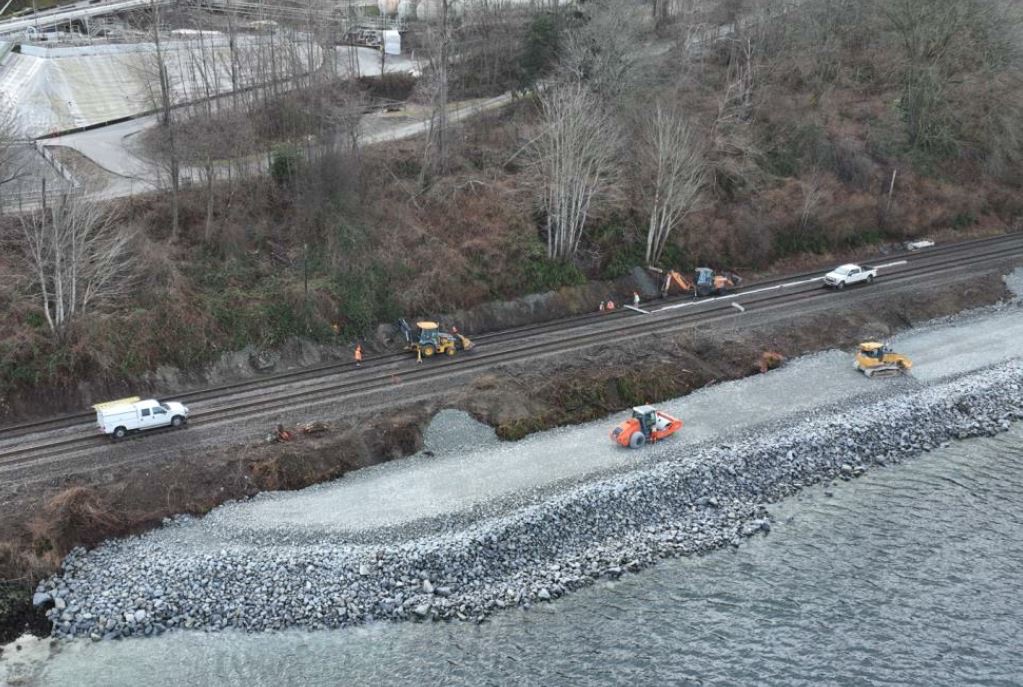
Industrial Development is where the railway grows its business. I took commercial projects from a customer's first idea through design, contracts, construction and commissioning, then handed them over to operations. No two were alike: a fertilizer terminal on the prairies, port work on the Vancouver shoreline, a logistics terminal in Alberta's Industrial Heartland.
The engineering was rarely the hard part. The hard part was the land and the people: buying and leasing property, resolving encroachments, and negotiating with landowners, municipalities, First Nations and federal agencies so each deal worked for everyone and still protected room for the railway to grow.
$200M+ Commercial infrastructure led annually
Contract NegotiationStakeholder ManagementFull Project LifecycleBusiness Case DevelopmentProject Management
Featured projects · 3 case studies
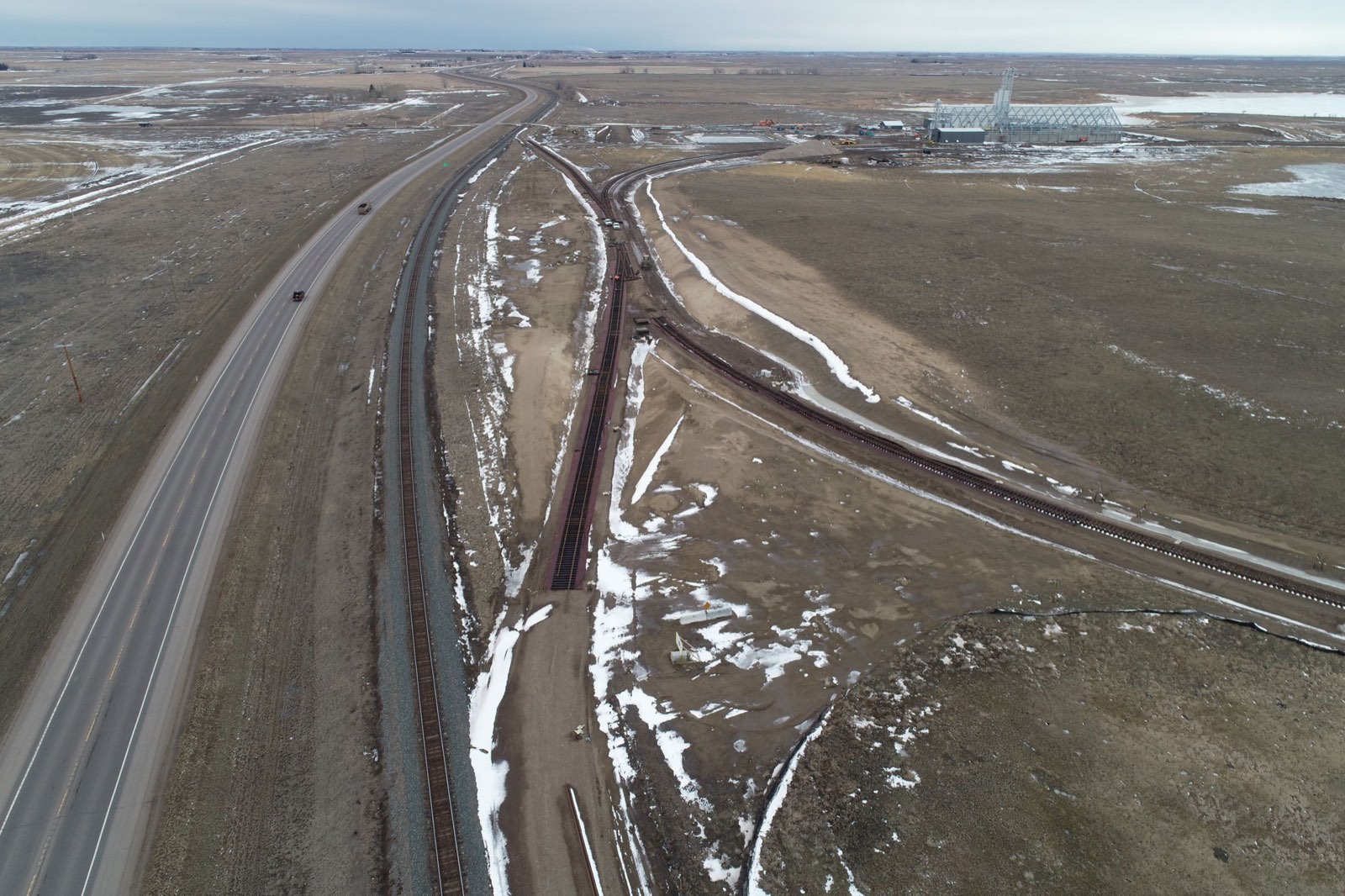
Field artifact · Grassy Lake, AB
FCL Grassy Lake Loop Track
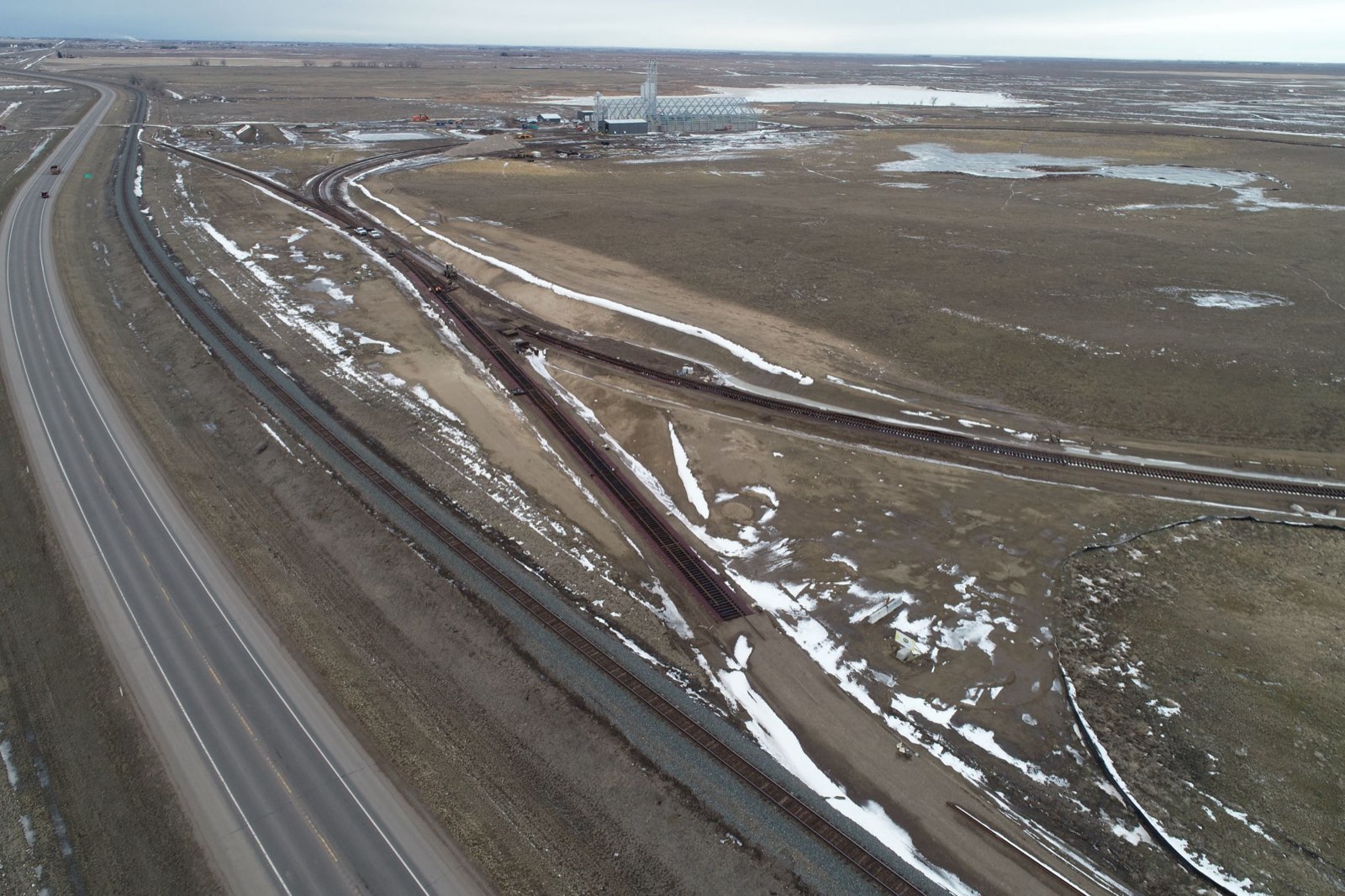
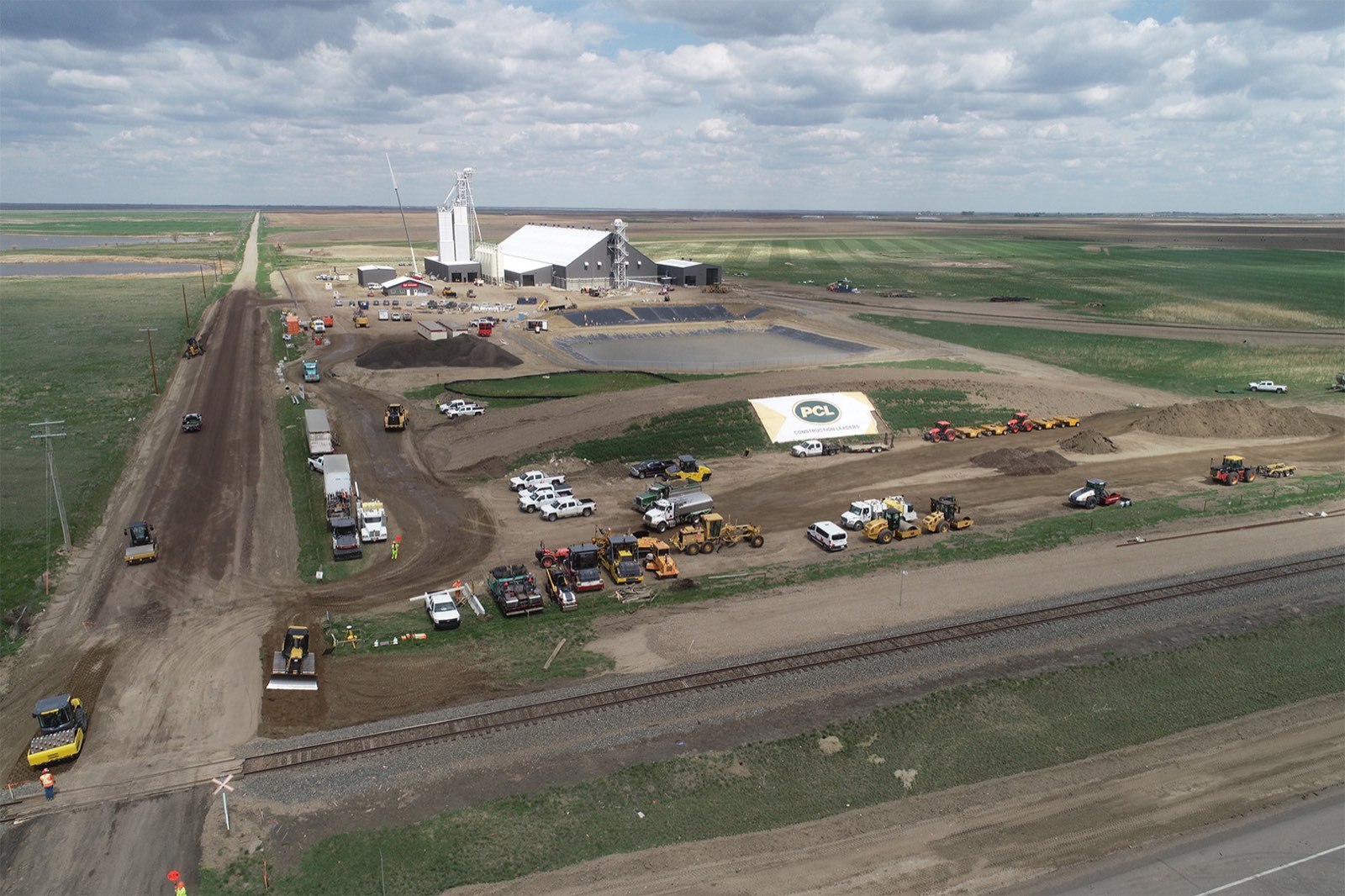
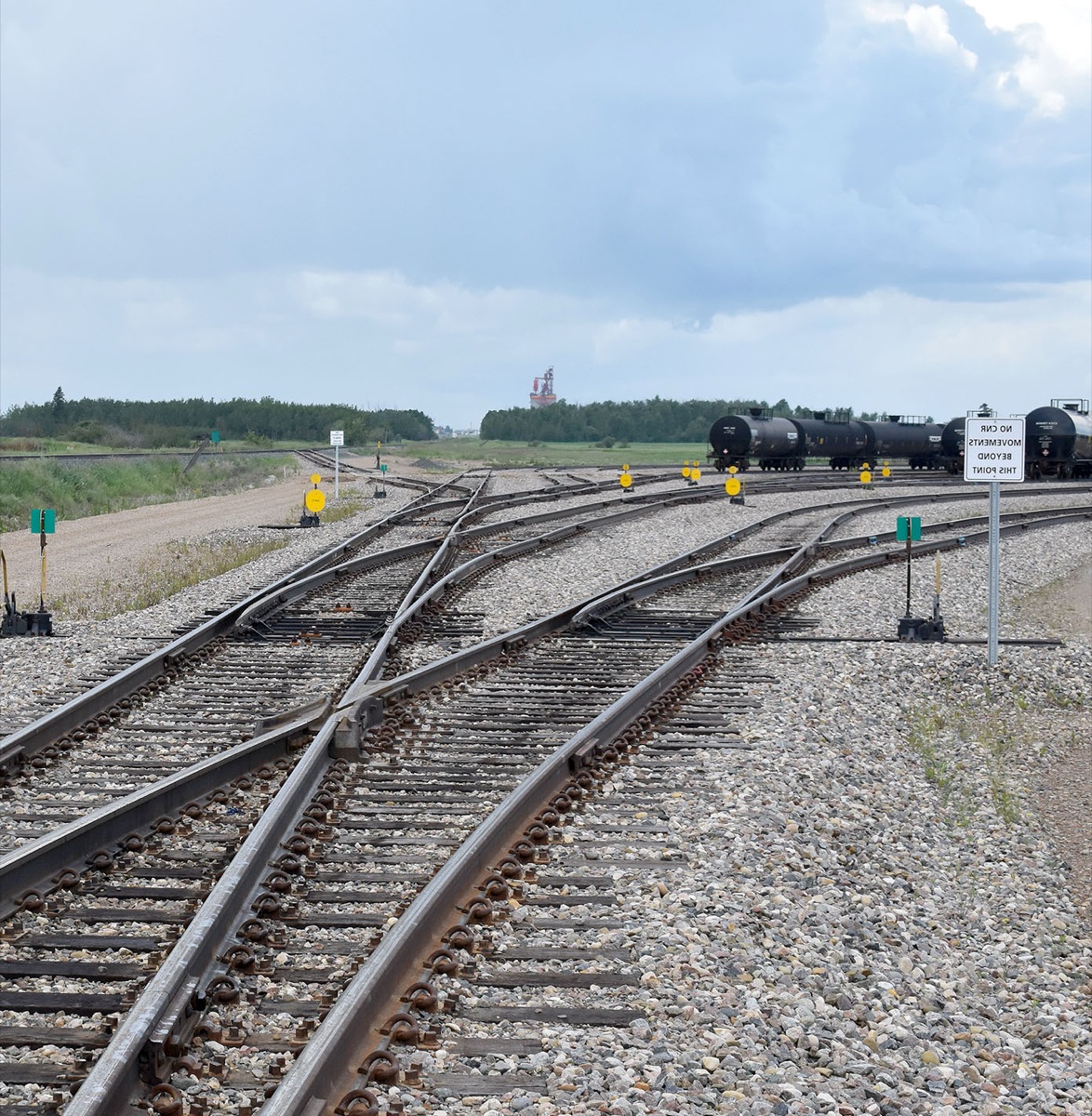
2020 · 110-car unit trains Led the rail scope for a new fertilizer terminal on the Taber Sub: two mainline switches and a loop track laid out to cycle 110-car unit trains through the plant.
Outcome · New carload revenue and freight shifted off trucks, all delivered as a fully customer-funded build with no capital carried by the railroad.
Case study →
Industrial development is where the railway grows its book of business, and this one turned a prairie site at Grassy Lake into a rail-served fertilizer terminal. I managed the rail scope: two new mainline switches and a loop track on the Taber Sub, laid out to cycle 110-car unit trains through the plant.
The commercial shape mattered as much as the civil work. The build was funded by the customer, so the railroad added long-term carload revenue and took truck traffic off the highways without carrying the capital. I coordinated it from concept through switches-in-service across the customer, their contractor, and operations.
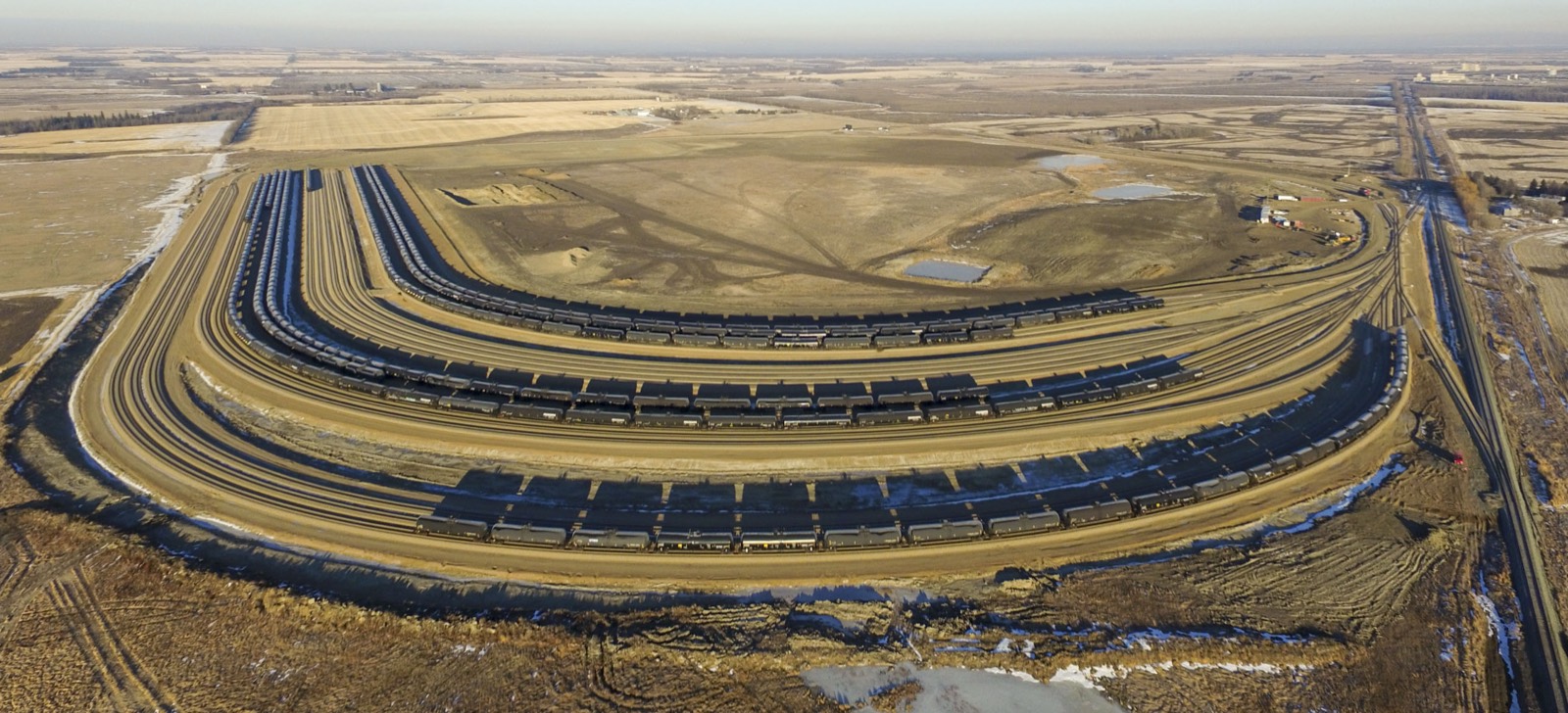
Field artifact · Ports to prairie terminals
Industrial Development Portfolio
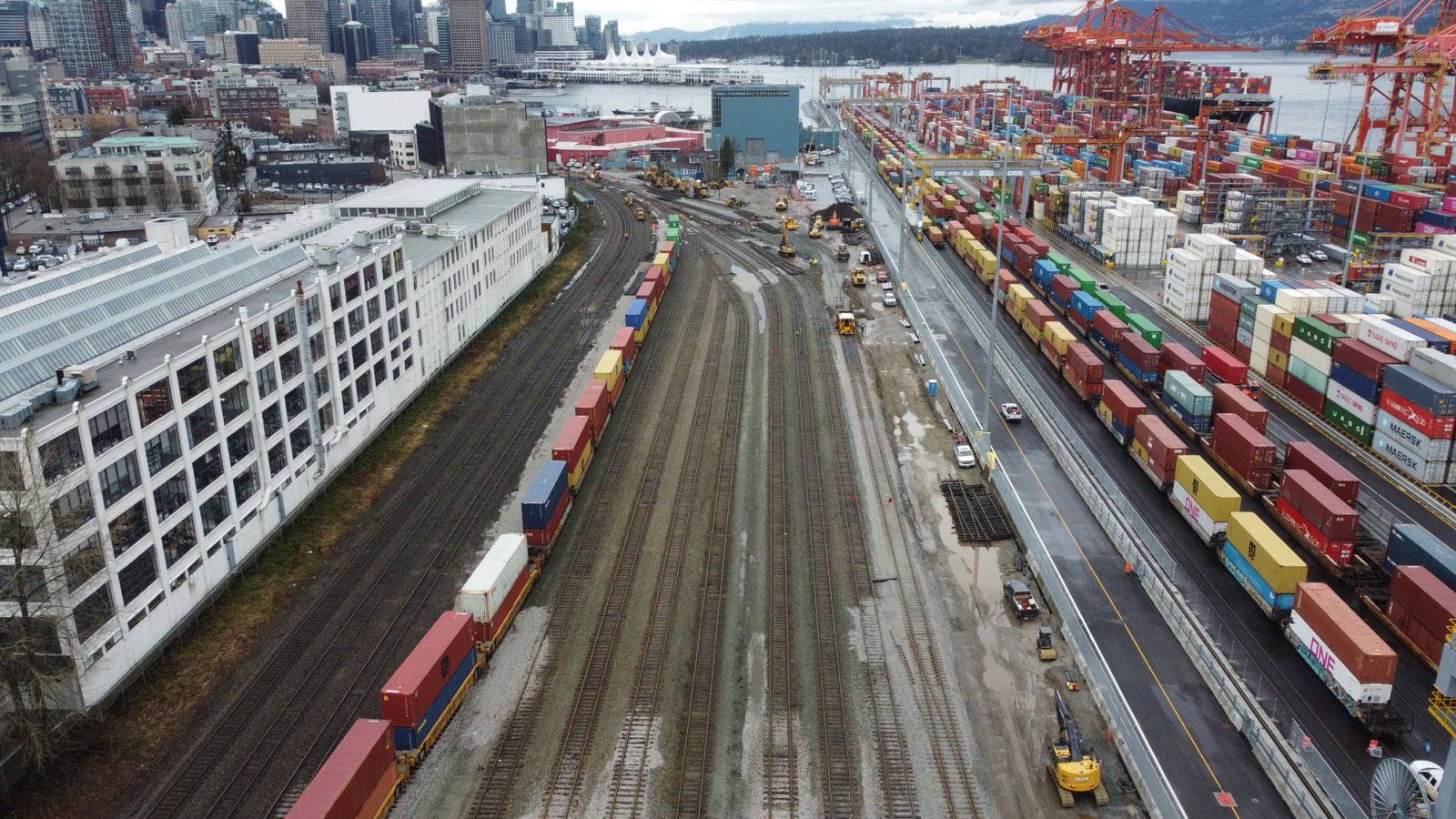
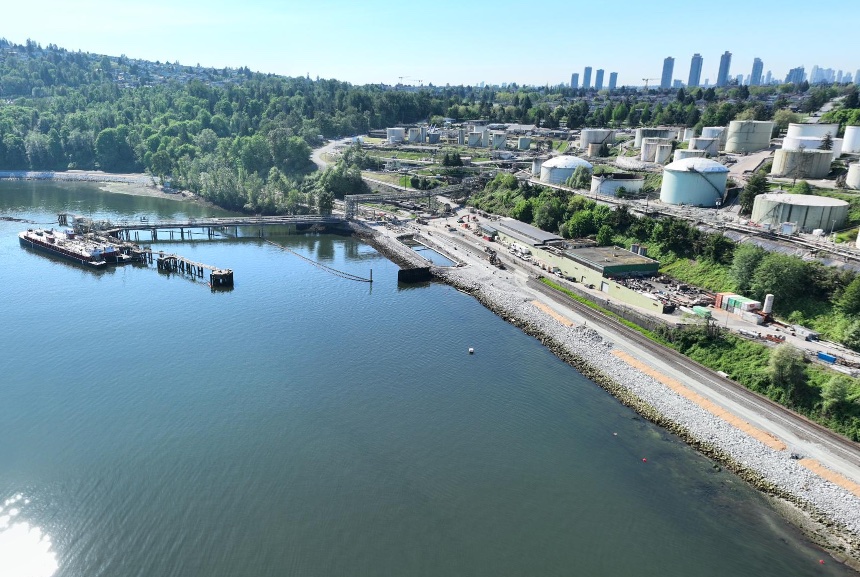
2020–2023 · $200M+ Over $200M a year of commercial infrastructure, and no two projects alike: customer work on environmentally sensitive shoreline at the Port of Vancouver, a purpose-built rail logistics terminal in Alberta's Industrial Heartland, and everything in between. The hard part was never the concrete. It was aligning engineering, legal, transportation, and operating teams behind one integration plan.
Outcome · Sustained cost-performance improvement over three years, and a body of work spanning ports, terminals, and shoreline that proved the model travels across project types.
Case study →
Led commercial infrastructure projects exceeding $200M annually, from concept development through commissioning and handover to operations.
The versatility was the point. At the Port of Vancouver I ran major customer projects hard against environmentally sensitive shoreline, coordinating customers, clients, consultants, and federal governmental agencies to move career-defining work forward on constrained waterfront sites. In Alberta's Industrial Heartland the work looked nothing like it: helping bring a purpose-built rail logistics terminal online. Different geographies, different stakeholders, one discipline.
Full-lifecycle ownership: business case, budgeting, procurement, execution, commissioning. The hard part was never the concrete. It was aligning engineering, legal, transportation, and operating teams behind one integration plan.
Business development · Agreements
The Day-to-Day
Charters · Business cases · Right-of-way Industrial Development, between the ribbon cuttings: winning the work, writing the business case, securing the land, and delivering it.
See the details →
Industrial Development, between the ribbon cuttings.
Winning the work
- Worked with customers to scope new rail-served facilities and expansions, from first conversation to signed agreement
Business cases and governance
- Wrote project charters and business cases for funding approval, including cost and benefit
- Built operating plans showing customers and approvers exactly how service would run
- Prepared status reports and presented to executives and project sponsors
Right-of-way and agreements
- Negotiated land purchases, leases and encroachment resolutions with property owners
- Secured permits and approvals with municipalities and federal agencies
- Engaged First Nations on projects crossing or near their lands
Delivery
- Negotiated scopes with contractors and developers, and managed changes and their cost and schedule impact
- Planned operational integration with engineering, legal, transportation and operations before construction
- Handed finished projects over to operations, with the portfolio averaging 7% under budget over three years
SAPMicrosoft OfficePrimaveraQlik
Software · 2020–2023
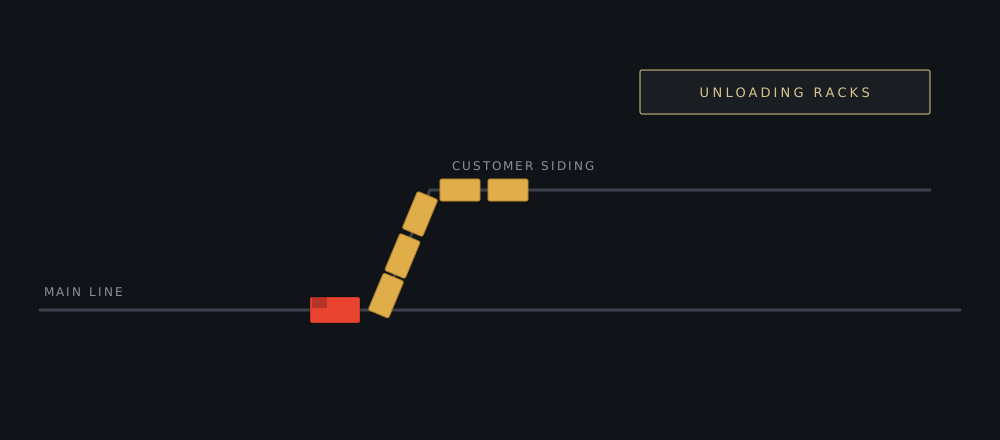
Visual comms · Built in-house
Operating Plans
Animated sample Rail operating plans are dense and full of jargon. I turn them into something a customer or stakeholder can follow at a glance, like this animated sample of how a train services a customer, from arrival to empties out.
Outcome · Complex switching made legible for people with no rail background.
Case study · live animation →
Moving a project forward often means getting non-rail people (customers, municipalities, and agencies) to understand how the railway will actually operate. A wall of text rarely lands; a picture that moves does.
This animated sample walks through the service cycle step by step: the train arrives with loaded cars, the locomotive spots them at the customer's unloading racks, the cars are unloaded, and the empties are pulled back out for the next cycle. It's now growing into an open-source tool, the Operating-Plan Canvas (see Builds).
▶ Launch animation JUL 2023 – MAR 2024 · SASKATOON, SK
Project Manager, Track & Structures
CPKC Railway
Nine months running track and structures for the Saskatoon territory, which in practice meant solving the railroad's operating problems as they came up that day. I managed the third parties working on and around our tracks, made the engineering recommendations and approved work on the territory, built operating plans, ran a fleet of about 150 vehicles and pieces of equipment, and was on call and on scene when something broke.
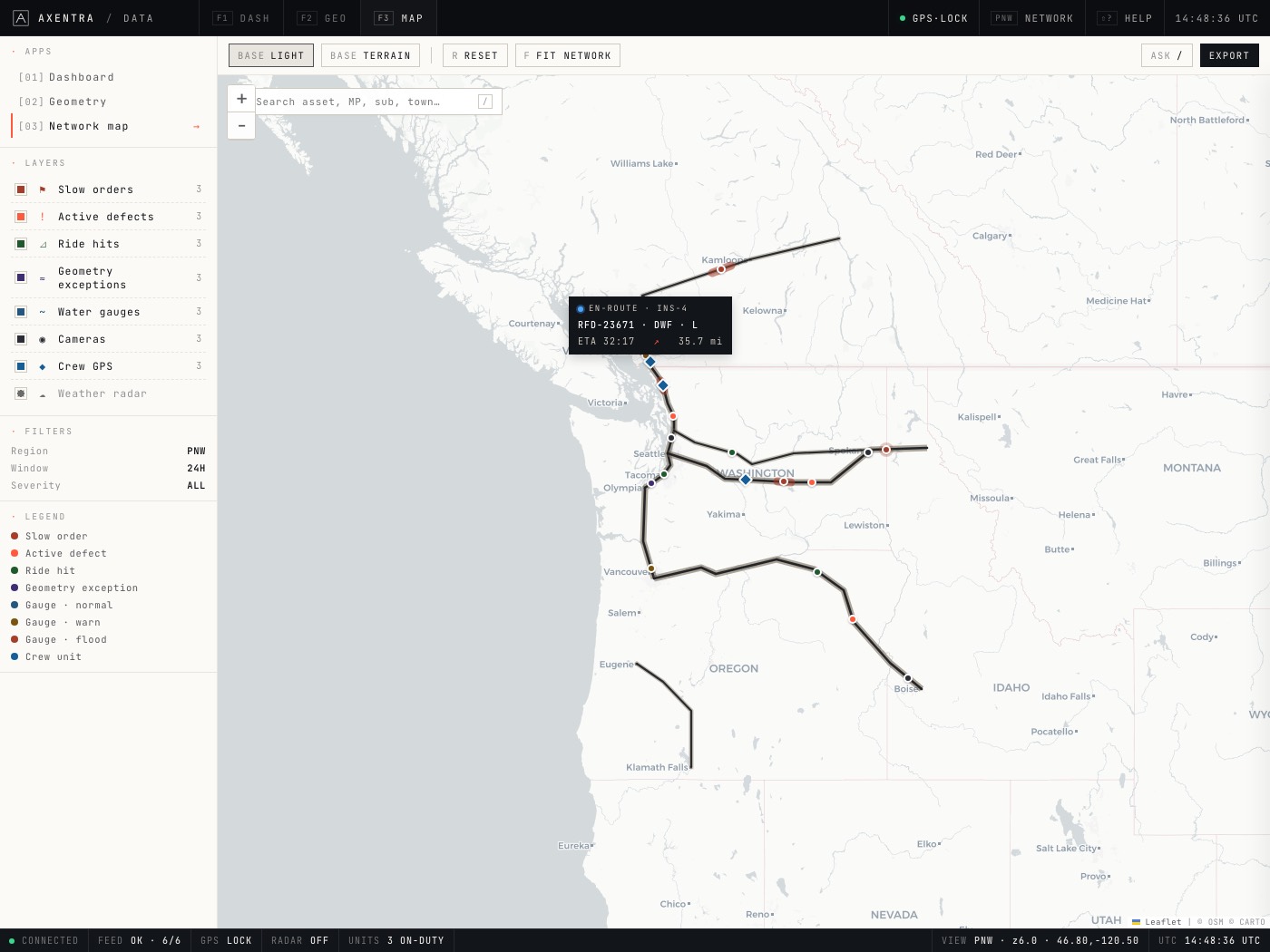
It's also where I started building software. The defect data existed, but nobody could see it, so I built a web map that put every defect on the territory in one place, ranked by risk (see the software below →). I automated as much of the routine as I could, and it showed: the role led directly to more territory, a team of my own, and the Senior Manager job.
$40M
Operating and capital, annually
150
Vehicles and equipment managed
19
Incidents restored in under 24 hours
Emergency ResponseThird-Party ManagementFleet ManagementProcess AutomationEngineering Recommendations
Featured projects · 3 case studies
Field leadership · 24/7 call-out
Front Line Manager · Emergency Response
19 incidents · <24h Coordinated the response to 19 unplanned operational incidents, directing engineering, operations, and contractor teams on scene under changing field conditions.
Outcome · Full operations restored within 24 hours, all 19 times.
Case study →
Unplanned work is where planning discipline shows. Nineteen times in nine months the territory threw something unscheduled at us, and each incident ran the same playbook: assess, mobilize local assets, restore, then feed the lessons back into the risk register.
The frontline part mattered as much as the plan. I was on scene directing engineering, operations, and contractor crews under changing field conditions, where the difference between a 24-hour restoration and a week is decided in the first few hours.
Planning discipline · Territory-wide
Capital & Maintenance Planning
5% under budget Sequenced the territory's capital and maintenance work as one plan, so crews, materials, and scarce track time were booked against each other instead of competing.
Outcome · 5% under the company's three-year budget average, with scope intact.
Case study →
Capital projects and maintenance draw on the same crews, the same materials, and the same scarce track time, so I planned them as one portfolio. Local assets and reclaimed materials went back into the program, and planning discipline was tightened so the savings came from method, not from cut scope.
The same rigor went into the books: local job-cost reviews and accountability measures brought financial reporting in line with corporate standards, so the plan and the ledger told the same story.
Operations · Third parties · Fleet
The Day-to-Day
Fleet · Third parties · Automation Running a territory day to day: operating problems, third parties, a 150-unit fleet, and the controls and automation that kept it all visible.
See the details →
Running the territory
- Solved day-to-day operating problems with transportation, mechanical and the field
- Built operating plans for work blocks, outages and service changes
- Managed a fleet of about 150 vehicles and equipment: assignment, maintenance and compliance
Third parties and engineering
- Managed contractors, utilities and developers working on or near the railway, from agreement through flagging to close-out
- Made engineering recommendations and approved work on the territory on behalf of the railway
Controls and automation
- Set up local job-cost reviews that brought financial reporting in line with corporate standards
- Automated routine reporting and built Power BI dashboards for cost, schedule and defects
SAPMicrosoft OfficePower BIPythonGIS
Software · 2023
Software · Built in-house
Custom Web-App GIS for Defect Tracking
2023–2024 Built because the data existed but the visibility didn't. Real-time defect tracking, risk prioritization, and performance monitoring across the territory.
Outcome · Faster, data-driven decisions and stronger reporting governance. Defects on a map beat defects in a spreadsheet, every time.
Case study · live demo →
Built because the data existed but the visibility didn't. Defects on a map beat defects in a spreadsheet, every time. Real-time defect tracking, risk prioritization, and performance monitoring across the territory.
▶ Launch live demo Live artifact (sample data): the geospatial defect-tracking engine.
MAR 2024 – AUG 2026 · SASKATCHEWAN
Senior Manager, Engineering
CPKC Railway · Principal engineering contact for the province
The province's engineering lead: a $100M a year capital program across track, structures and facilities, 100+ people spread across Saskatchewan, and the principal engineering contact for mayors, councillors, regulators and the C-suite. I was also chief of staff to the Director of Track, running the reporting, follow-up and business planning behind the territory.
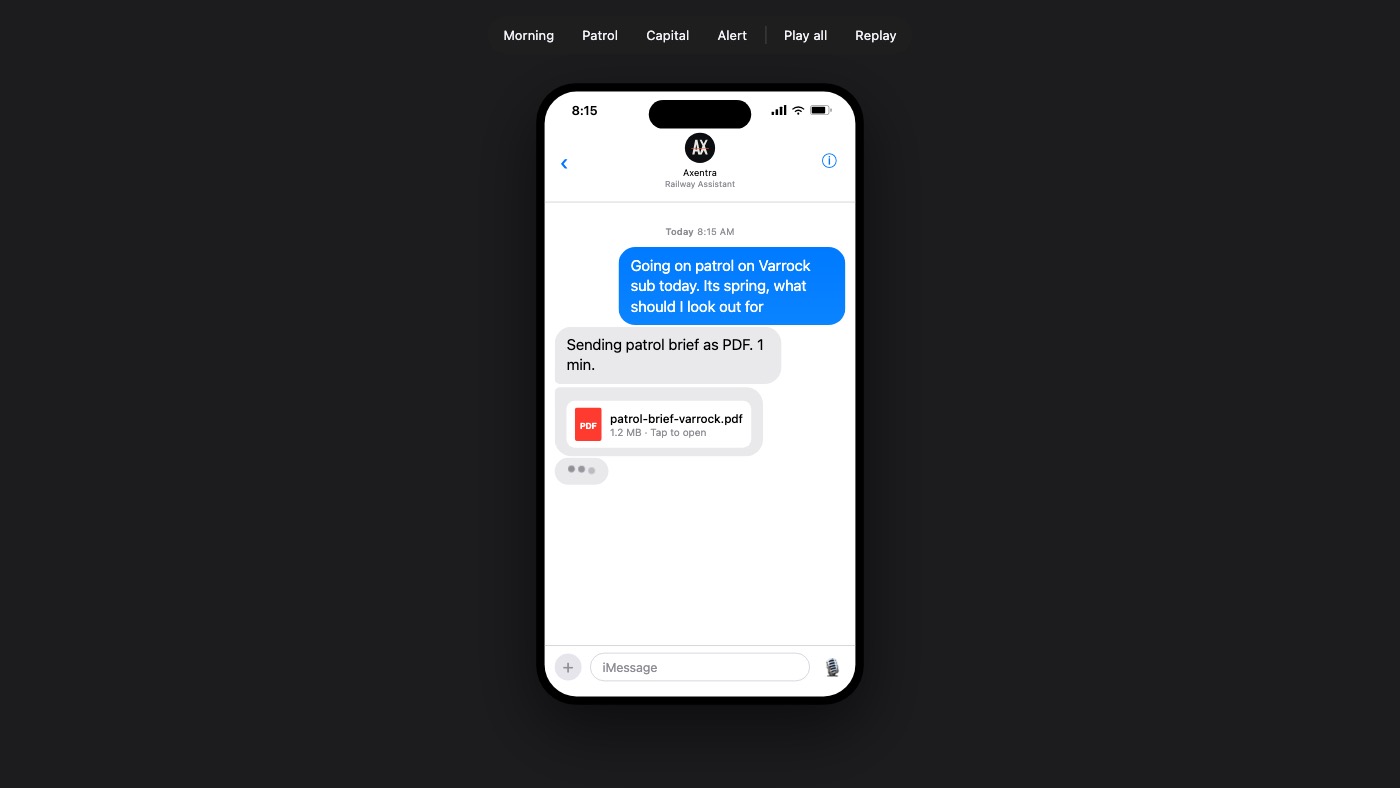
This is where the automation paid off at scale. I built a set of morning alerts that got the right information to crews before they rolled out (see the software below →), and wrote the five-year plan that brought legacy track up to standard mile by mile.
$100M
Annual capital program
200%+
Production KPI improvement, 2024
30%
Fewer slow orders, year over year
Capital Program ManagementStrategic PlanningExecutive ReportingGovernment RelationsChange Management
Featured projects · 5 case studies
Leadership · Province-wide
Leading People
100+ led More than 100 employees and contractors across engineering, trades, and operations, spread over an entire province and led through their frontline supervisors.
Outcome · A distributed workforce aligned on safety first, while holding quality, schedule, and cost.
Case study →
Leading a railway territory means leading people you rarely see in the same room: 100+ employees and contractors across engineering, trades, and operations, distributed across Saskatchewan. Alignment comes from clear priorities and a tight coordination rhythm with field teams, not from proximity.
Safety was the first of those priorities. Site safety plans were enforced as the first order of work on every job, and I co-chaired the territory's Workplace Health & Safety Committee, keeping the conversation between crews and leadership open in both directions.
Strategy · 5-year horizon
Long-Term Organizational Planning
5-year plan A five-year plan for the territory: bringing legacy infrastructure to current standards while building the organization (people, skills, and budget rhythm) to deliver it.
Outcome · 50+ miles upgraded, slow orders down 30% year over year, and 95% timeline compliance two years running, inside annual budget limits.
Case study →
A capital plan is a negotiation between the railroad you have and the railroad you need. The five-year plan sequences legacy infrastructure up to current standards mile by mile, balancing long-range priorities against annual budget and operating constraints.
The organizational half is what makes it hold: readiness coordinated across engineering, transportation, mechanical, and operations ahead of major activation milestones, and a bench of supervisors developed to run the program year after year, not just this season's work.
Government relations · Fleet
Permanent Overweight Exemption
2026 · Ministry of Highways The service vehicles our crews depend on ran over provincial weight limits. I negotiated a permanent exemption order with the Ministry of Highways.
Outcome · Exemption order signed off in 2026 for the railway's service vehicles.
Case study →
The service vehicles our crews depend on ran over provincial weight limits, which put permits and restrictions between the crews and the work. I negotiated with the Ministry of Highways for a permanent exemption order covering our service vehicles, and it was signed off in 2026. Railways aren't among the standard exemptions in Saskatchewan's highway orders, so this one had to be argued on its merits.
Public · Leadership
Crossing 28789
2026 · CEO recognition A crossing repair drew a resident's complaint about traffic. I went and watched it myself, then came back with recommendations that went beyond the repair.
Outcome · The resident wrote to the CEO, and the letter came back with a handwritten "Job well done."
Case study →
A crossing repair in Saskatoon drew a complaint from a resident who'd been watching the traffic back up. I went out and watched it myself, then came back with recommendations for the crossing's ongoing safety and logistics problems, not just the repair. The resident wrote to our CEO about it, and the letter came back with a handwritten note: "Orgo, Job well done!" Internally it was held up as an example of "changing the criteria of acceptability and leading change" (read the letter → · read the email →).
Chief of staff · Engineering authority
The Day-to-Day
Business plan · Contracts · 200%+ production Chief of staff to the Director of Track, the province's engineering authority, and the person accountable for production across the territory.
See the details →
Chief of staff to the Director of Track
- Ran the territory's multi-year business plan, reporting and follow-up
- Prepared executive briefings and business cases for senior leadership and the C-suite
Engineering authority
- Principal engineering contact for the province, and from 2025 the signing engineer for railway matters in Saskatchewan
- Reviewed, negotiated and signed contracts to legal, regulatory and engineering standards
Program and people
- Drove production up more than 200% in 2024 across the territory's maintenance programs, mainly welding and surfacing, while cutting cost and time overruns by 20%
- Coordinated readiness across engineering, transportation, mechanical and signals ahead of major activations
- Co-chaired the Workplace Health & Safety Committee
SAPMicrosoft OfficePower BIPythonAI / LLM tooling
Software · 2025
Software · Shipped to crews
Offline AI Alert System
2025 Field crews don't have reliable connectivity, so the information went to them: seven automated alerts delivered as plain text before the first crew rolled out. No app, no dashboard, just text.
Outcome · Production and reporting efficiency up 30% across the territory.
Case study · live demo →
Field crews don't have reliable connectivity, and they don't have time for another app. So instead of asking crews to go looking for information, I built a system that sent the right piece of it to the right person before their day started.
Seven scheduled alerts went out each morning: speed restrictions coming off or overdue, urgent track defects, urgent geometry exceptions, train delays, plus weekly roll-ups. Schedules and checks were plain, predictable code; AI was used where it actually helps, in reading messy reports and writing summaries people can act on. Underneath it sat the data platform described in GeoHUD (see Builds).
▶ Launch live demo Live artifact (sample data): field alerts delivered the way crews already communicate.
AUG 2026 – PRESENT · SASKATOON, SK
Operations Engineer
City of Saskatoon · Technical Services
After nine years on the railway I moved to the City as an Operations Engineer, running operation and maintenance programs for municipal infrastructure. Same discipline, different customer: now it's everyone who drives, walks or catches a bus in Saskatoon.
Operations & MaintenancePublic ProcurementContract AdministrationMunicipal InfrastructureStakeholder Management
Day-to-day · 1 tile
Procurement · Operations
The Day-to-Day
Specs · Tenders · Contracts Specifications, tenders, award recommendations and contractor kickoffs for the City's operations and maintenance programs.
See the details →
Procurement and contracts
- Wrote and reviewed specifications and requests for quotation
- Evaluated bids and wrote award recommendation memos
- Coordinated quotes and purchasing with the City's procurement team
Operations
- Ran contractor kickoff meetings with roadways superintendents, and kept minutes and requirements on record
- Supported the technical and field staff delivering operations and maintenance programs
Microsoft 365